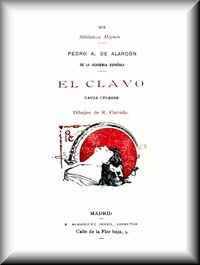
El clavo by Pedro Antonio de Alarcón
Pedro Antonio de Alarcón's El Clavo (The Nail) is a gem of 19th-century Spanish literature that packs a novel's worth of intrigue into a tight, suspenseful story.
The Story
The tale is told by a judge, Zarco, looking back on his first major case. As a young man, he's sent to a small town where a wedding is about to be stopped. The bride, the stunning and sorrowful Gabriela, is engaged to a wealthy older man. But she already wears a wedding ring. She confesses that her first husband, a dashing army captain, died. Now, his ghost visits her every night, making a new marriage impossible. Zarco is skeptical but utterly drawn to Gabriela. His investigation becomes a personal mission to uncover the truth behind her haunting. Is she a cunning liar, a grieving widow, or a victim? The search for evidence leads him down a path filled with passion, deception, and a shocking discovery that gives the story its iconic title.
Why You Should Read It
What I love most is how Alarcón plays with perspective. The entire story is filtered through Zarco's memory, making us question how reliable his feelings for Gabriela color the facts. It's not just a ghost story; it's a deep look at obsession, justice, and the stories we construct about love and guilt. Gabriela is a fantastic character—is she a master manipulator or a tragic figure trapped by circumstance? The book leaves just enough room for you to decide. The setting, with its strict social rules and whispers of scandal, feels so real and adds to the tension.
Final Verdict
This book is perfect for anyone who loves a classic mystery with a psychological twist. If you enjoy the tense atmosphere of Gothic novels but want a plot that moves quickly, you'll adore this. It's also a great pick for readers curious about 19th-century Spanish literature but wary of dense, long classics. El Clavo is accessible, thought-provoking, and wildly entertaining. Think of it as a brilliant, compact thriller that has somehow stayed fresh for over 150 years.
This historical work is free of copyright protections. Preserving history for future generations.