
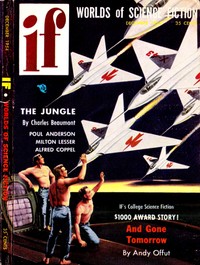
The Gun Runners by Ralph Williams
Ralph Williams' 'The Gun Runners' pulls you into a world that feels familiar at first—a quiet American town where life moves at a gentle pace. That peace gets shattered when a man named Kells arrives. He's polite, pays in cash, and has one simple request: he wants to buy guns. Lots of them. Old hunting rifles, shotguns, revolvers—anything that fires. Sheriff Ben Dancey watches this unfold with growing unease. The townspeople are making good money, and Kells isn't breaking any laws... yet. But why would anyone need that many guns? And where are they all going?
The Story
As Kells' operation grows, Sheriff Dancey's investigation starts to uncover pieces that don't fit. The guns aren't being shipped out of town through normal channels. Strangers begin appearing at the local diner, asking careful questions. When a young man who worked for Kells goes missing, the sheriff knows this is more than just a strange business deal. He finds himself racing against time, trying to connect the dots before his town becomes the center of something much bigger and more violent than anyone imagined. The final confrontation isn't on some grand stage—it's in the places these characters know best, making the danger feel terrifyingly real.
Why You Should Read It
Williams writes people, not just characters. You understand why the struggling farmer sells his grandfather's rifle to Kells, and why the sheriff hesitates to act without solid proof. The tension comes from watching good people make questionable choices for understandable reasons. There's a quiet dread that builds throughout the book—the feeling that ordinary life is paper-thin, and something dangerous is moving right beneath it. Williams was writing in the 1950s, but the story's questions about trust, community, and how far people will go for money feel completely current.
Final Verdict
Perfect for readers who enjoy character-driven thrillers without the flashy action scenes. If you liked the small-town tension in 'The Lottery' by Shirley Jackson or the moral gray areas in some of Elmore Leonard's work, you'll appreciate what Williams does here. It's a quick read—you could finish it in an afternoon—but it sticks with you. The ending doesn't tie everything up with a neat bow, which makes it feel honest. This isn't a famous classic, but it's the kind of sharp, thoughtful story that makes you wonder what other gems are hiding in the mid-century paperback racks.
Legal analysis indicates this work is in the public domain. It serves as a testament to our shared literary heritage.
Sarah Clark
11 months agoAs someone who reads a lot, the flow of the text seems very fluid. I learned so much from this.
Steven Lee
1 year agoWithout a doubt, the emotional weight of the story is balanced perfectly. Highly recommended.
Joshua Johnson
4 months agoAs someone who reads a lot, the emotional weight of the story is balanced perfectly. One of the best books I've read this year.
Anthony Walker
3 months agoBased on the summary, I decided to read it and it provides a comprehensive overview perfect for everyone. Highly recommended.